Hybrid Exhibition: James Jean x Hunt Institute
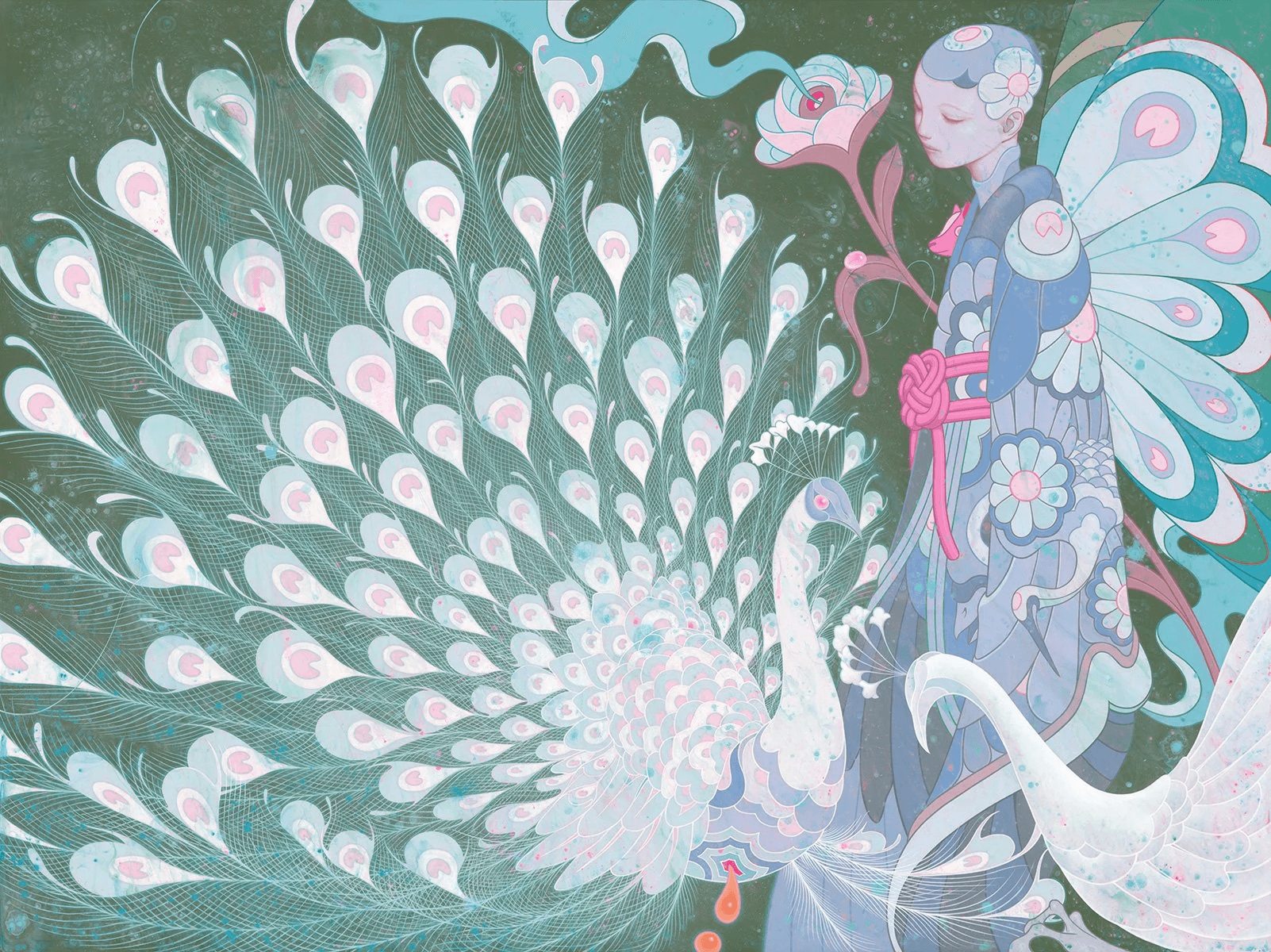
Over the course of a semester, I had the opportunity to design a concept experience within the Hunt Institute for Botanical Garden Documentation in collaboration with artist James Jean. Using creative technology, this project explores how interactive systems can create a dialogue between nature, art, and perception.
Role:
Spatial Interaction Designer
Duration:
4 months
Type:
Exhibition Design, Creative Tech
Year:
2025

Journey
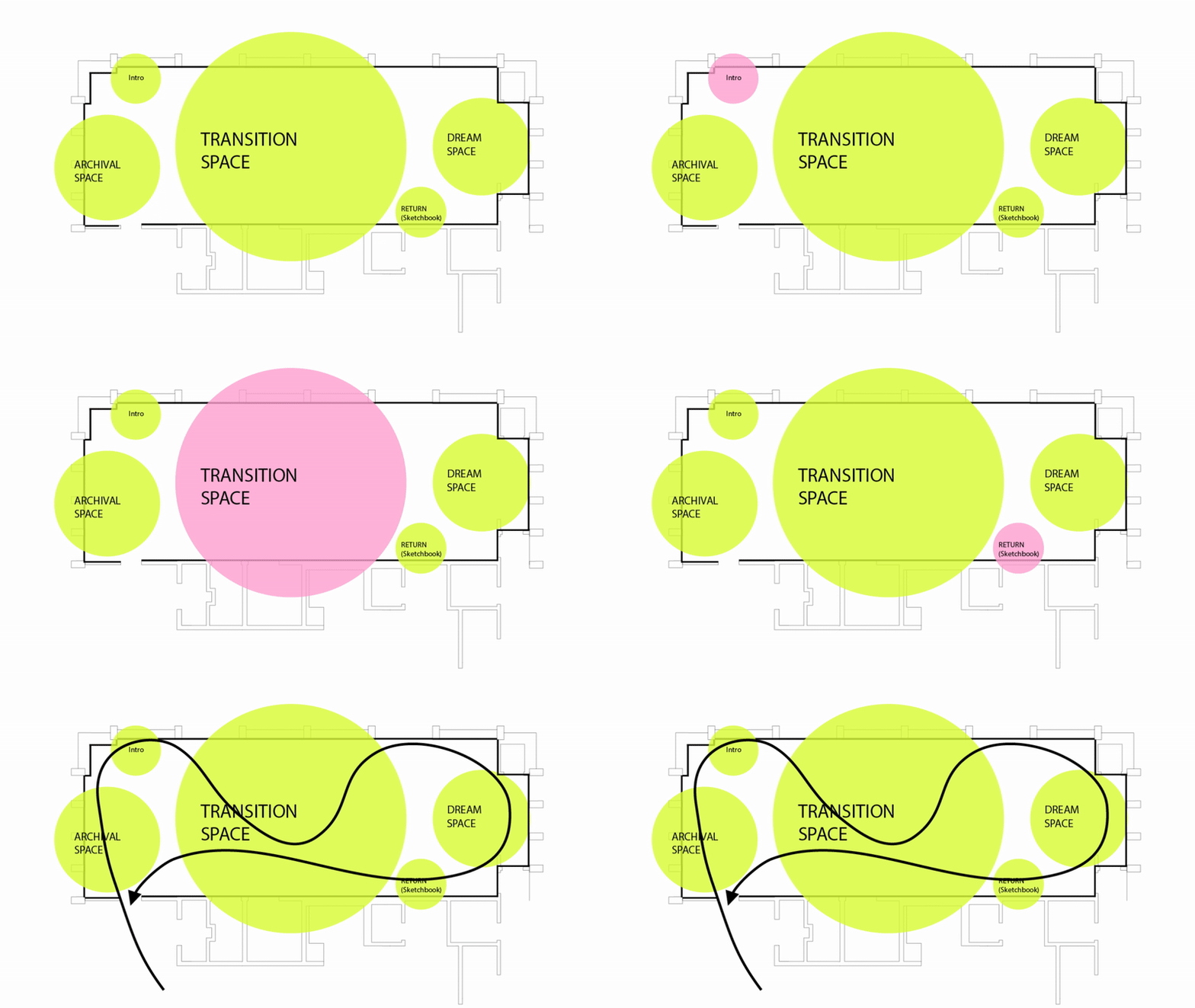
This exhibition is organized into four zones —Archival, Transition, Dream, and Return—that move visitors from observation to imagination and back again:
Archival Zone
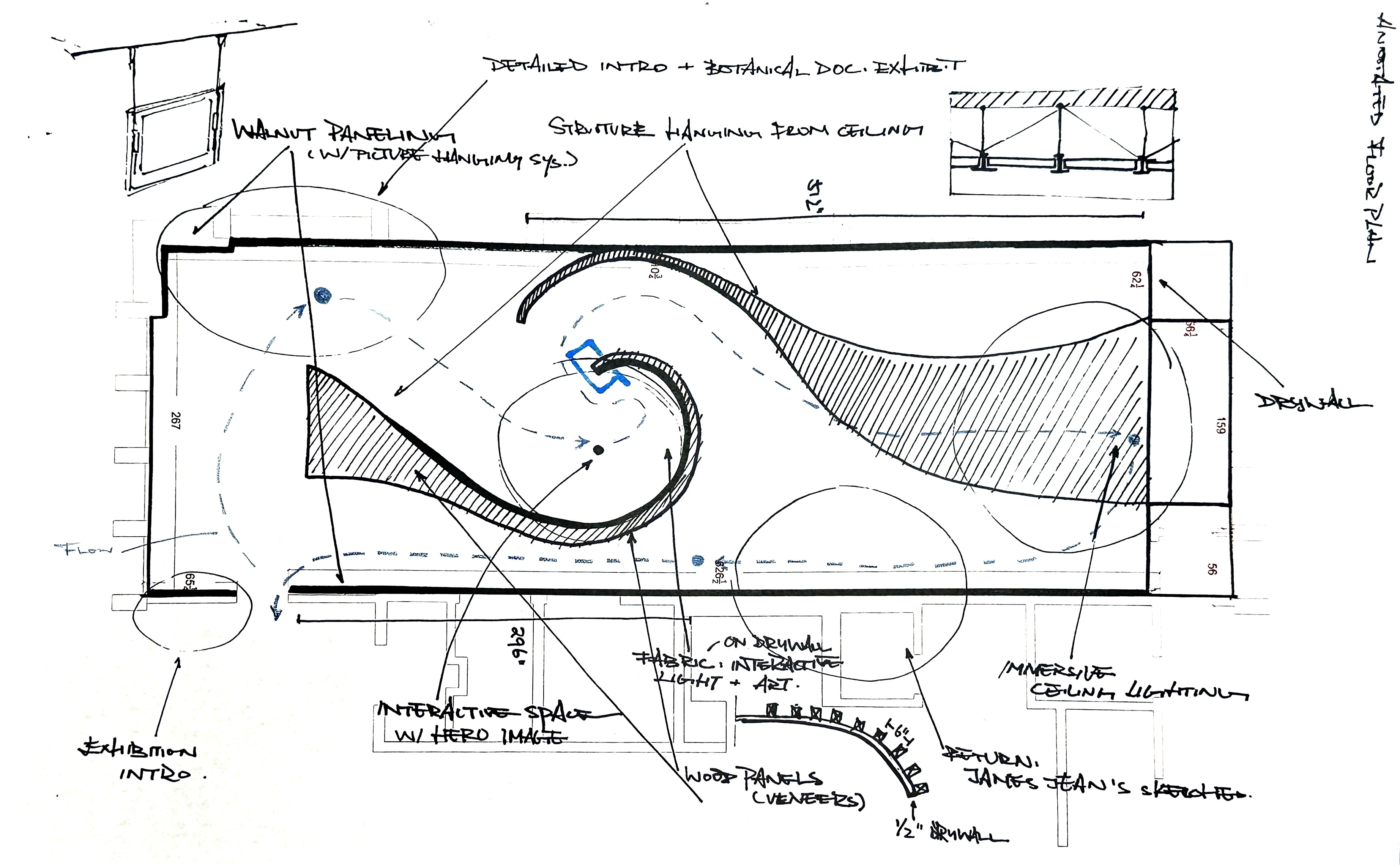
Visitors begin their journey in a space with the Hunt Institute’s collection on walnut panels along the wall, highlighting the precision and discipline of botanical study.
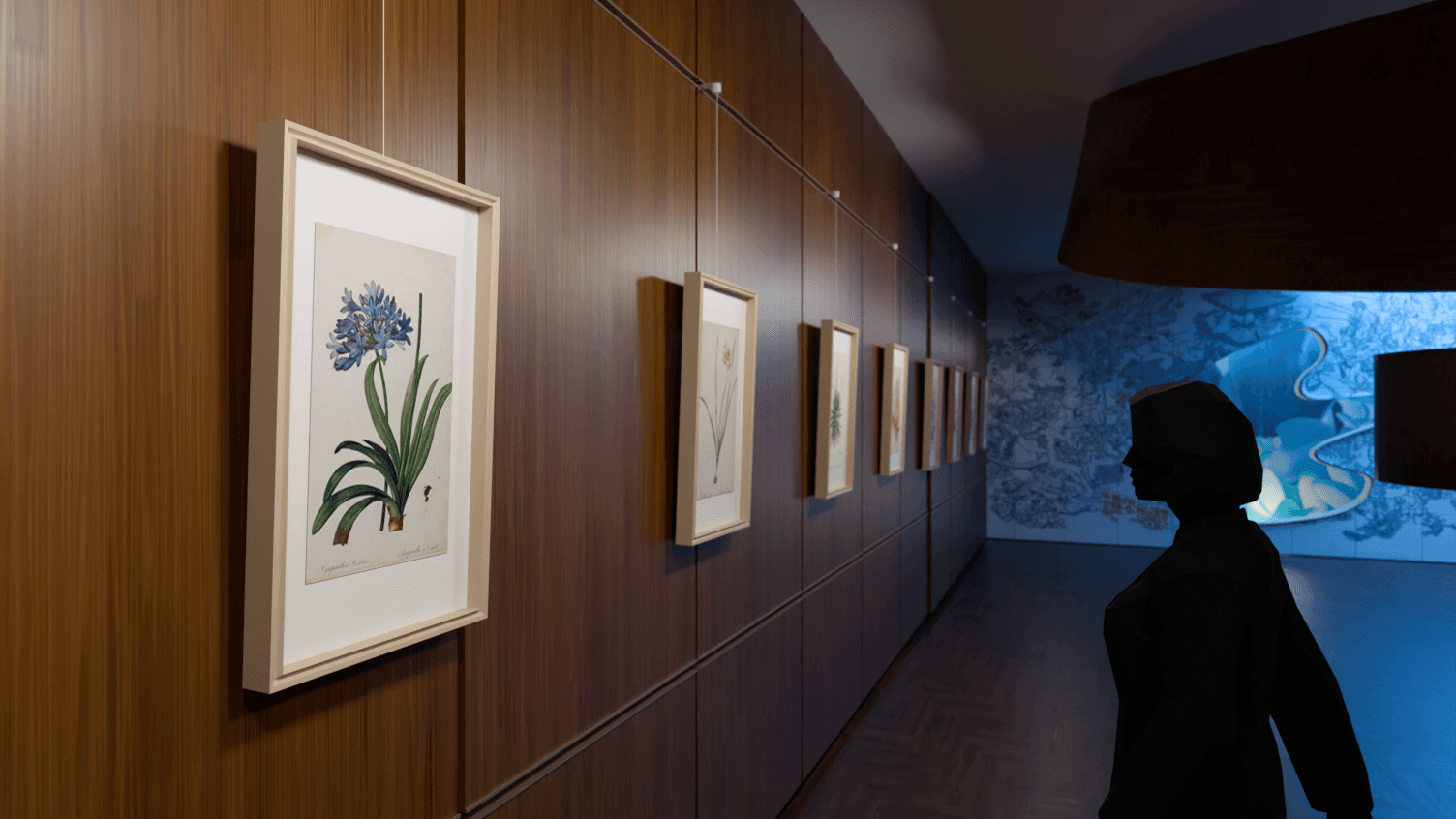
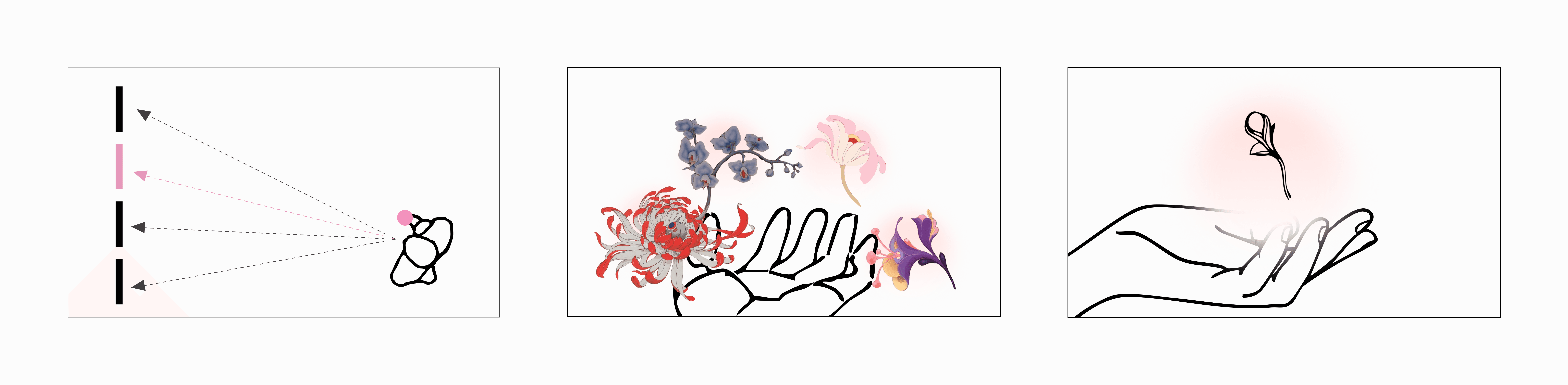
A mixed reality experience then invites visitors to discover plant species that later appear in James Jean’s artworks—lotus, peonies, orchids, chrysanthemum—foreshadow the dialogue ahead.
Transition
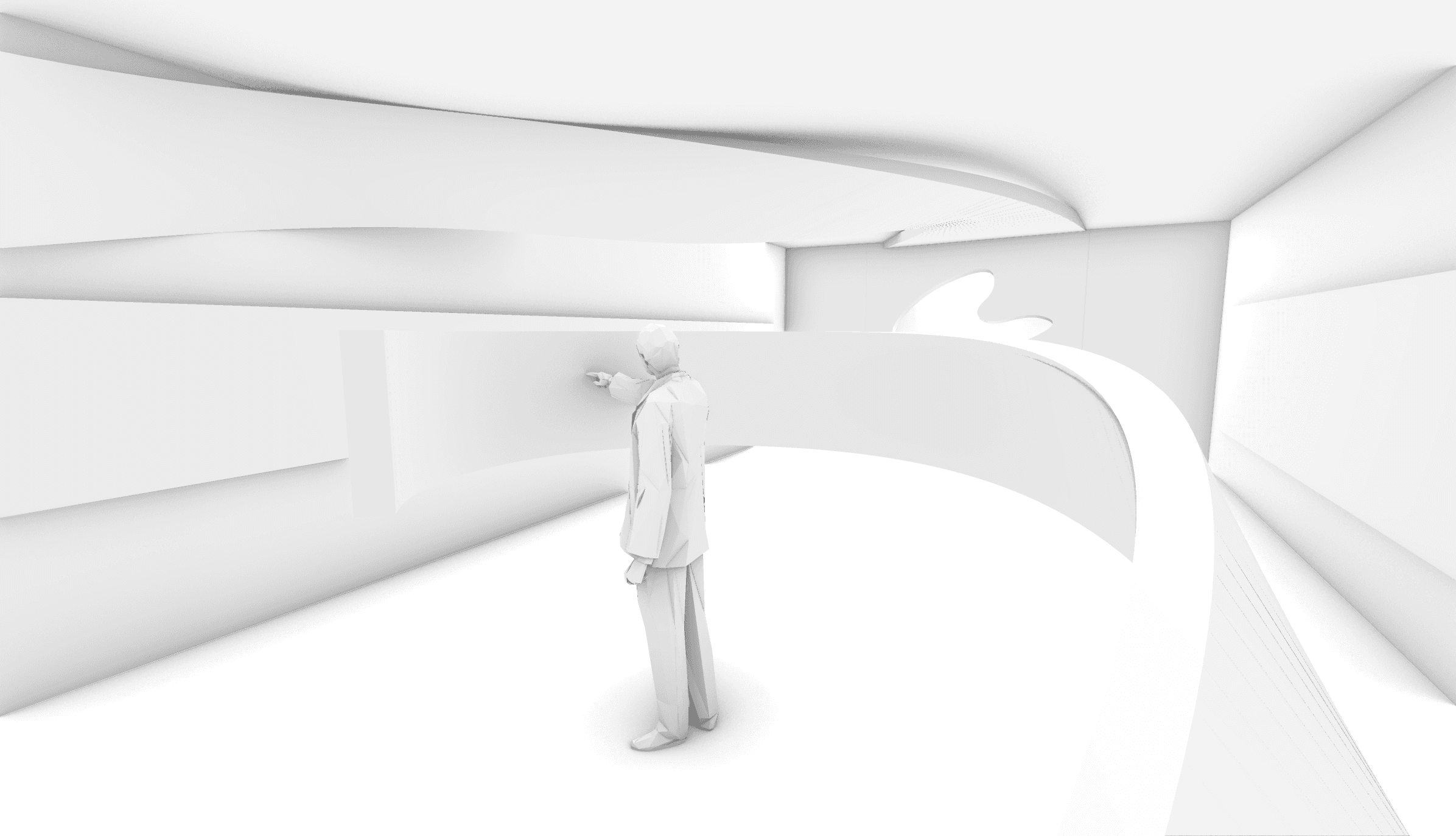
Moving forward, visitors enter a space where they can interact with James Jean’s art projected across a curved surface, responding to gesture, proximity, and touch.
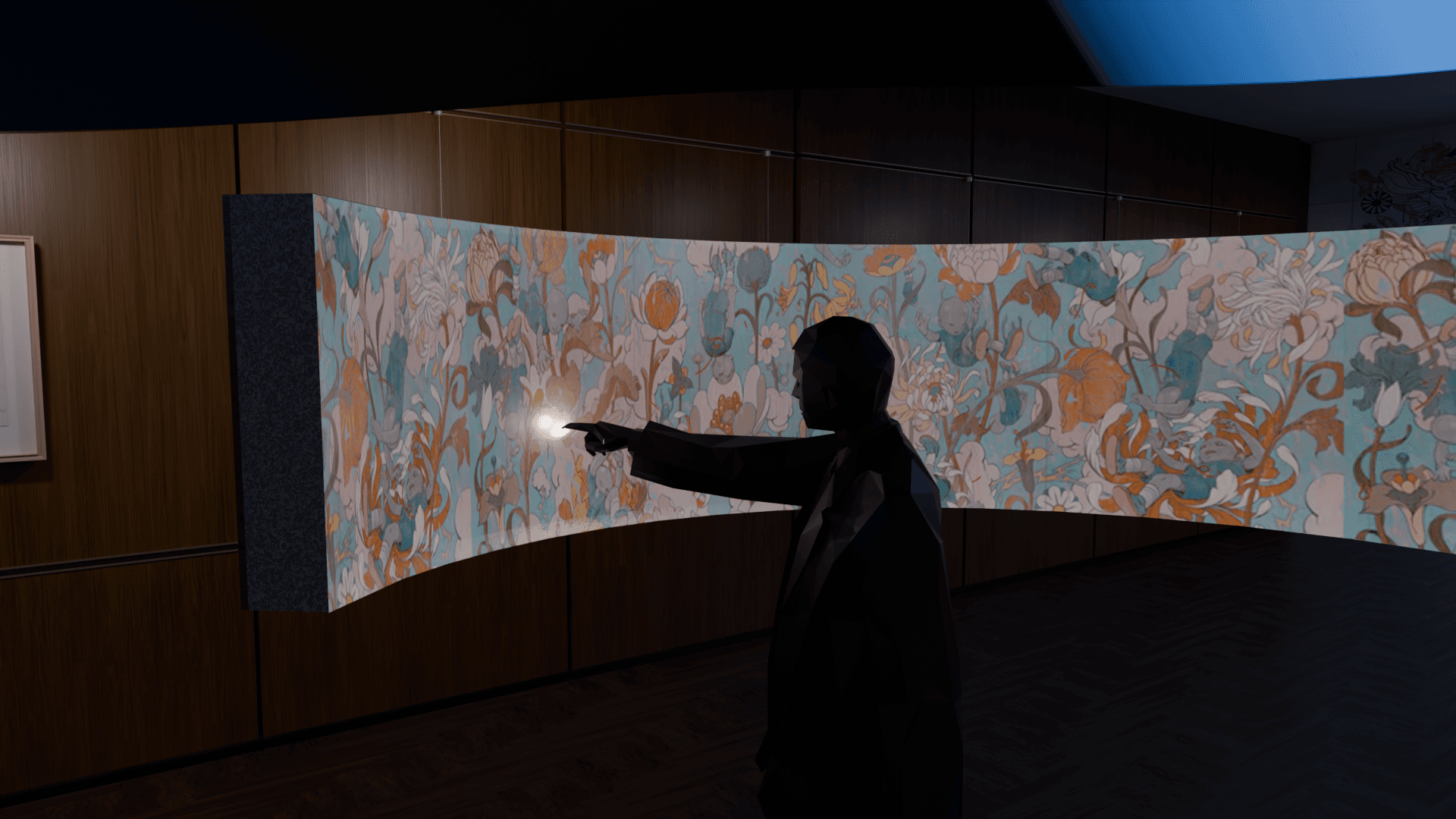
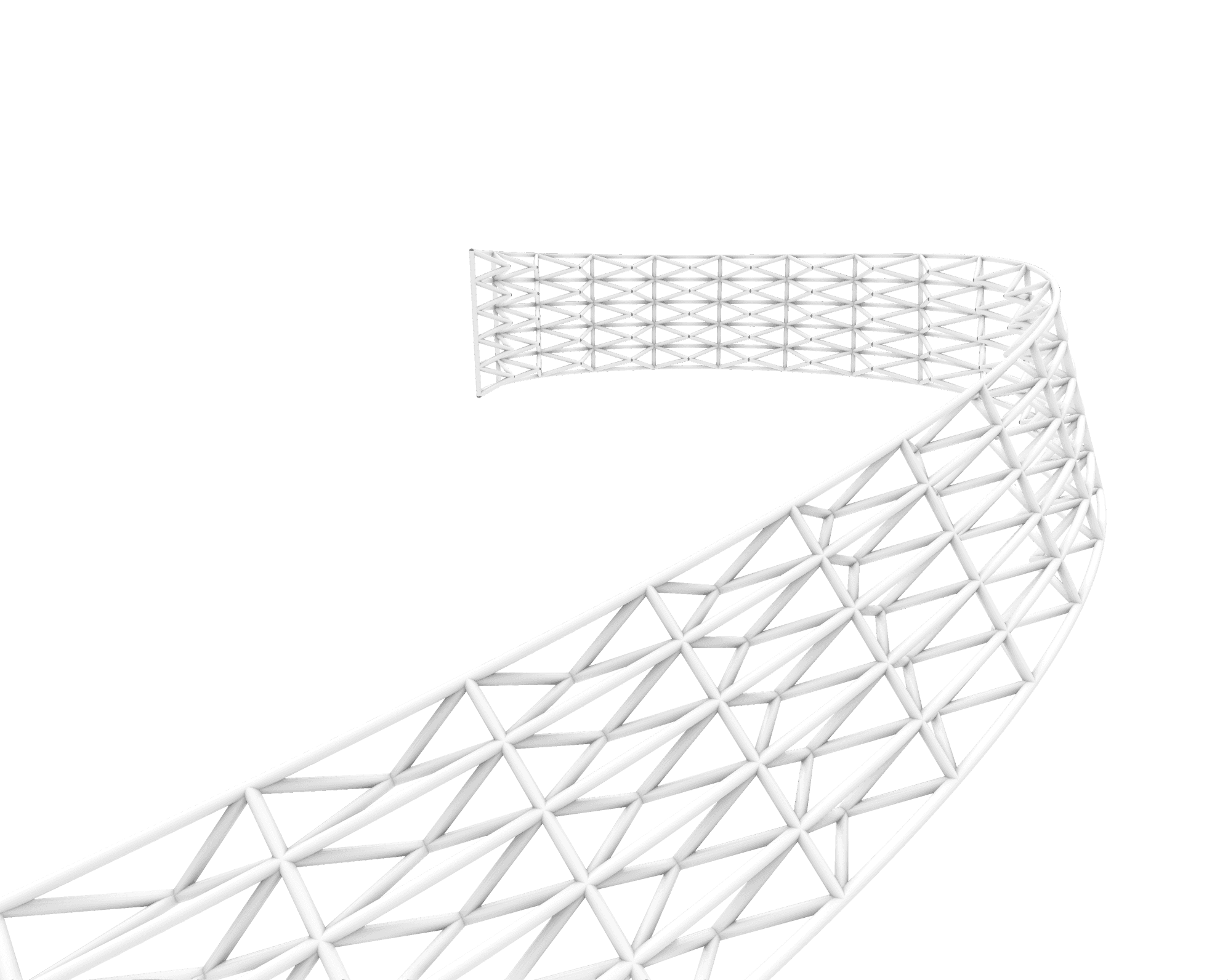
The structure itself guides the visitor forward: gradient light climbs upward, merging into the ceiling and illuminating the path toward the dream space.
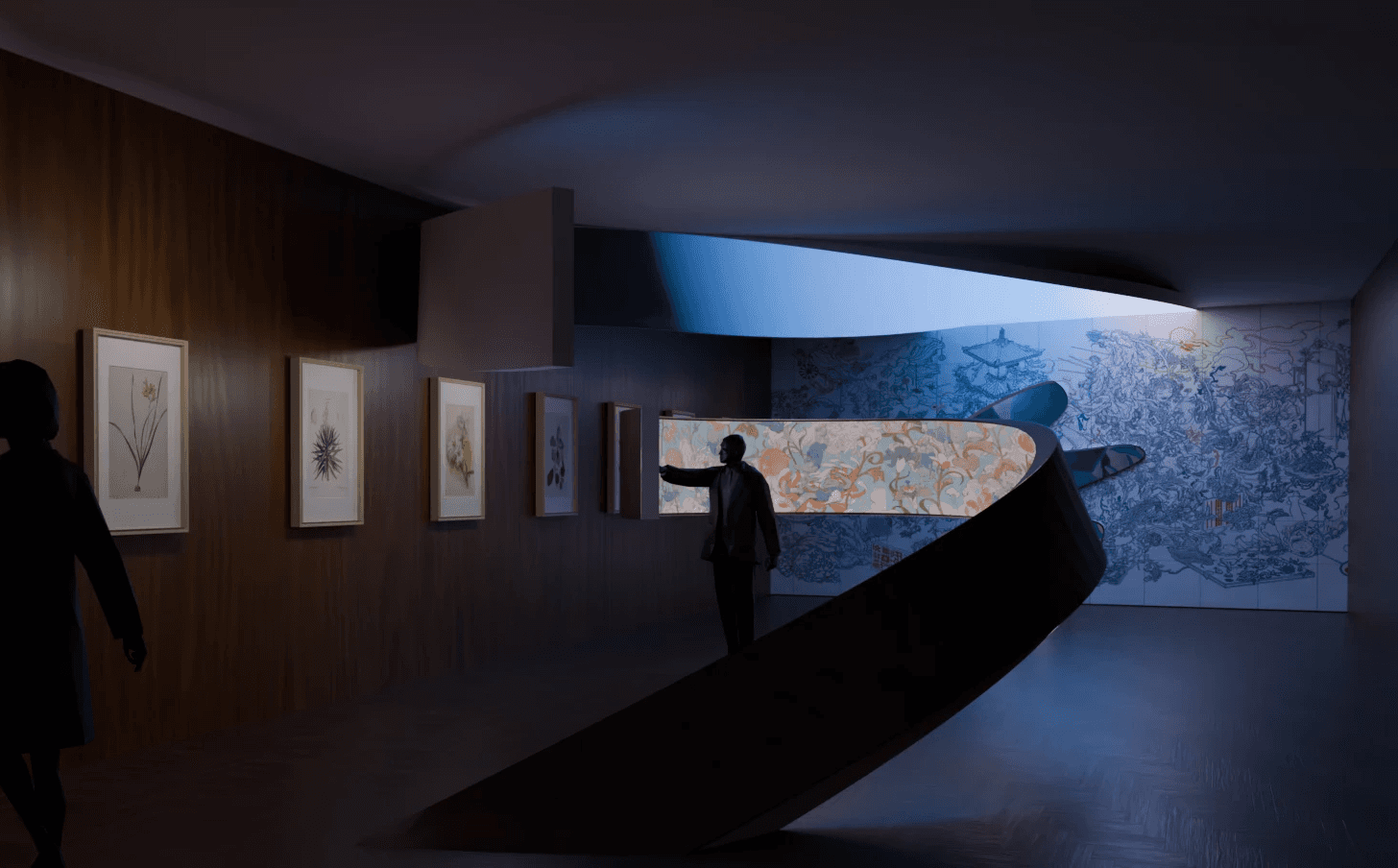
Dream Sapce
Here, the space expands into a fully immersive environment shaped by James Jean’s visual language.
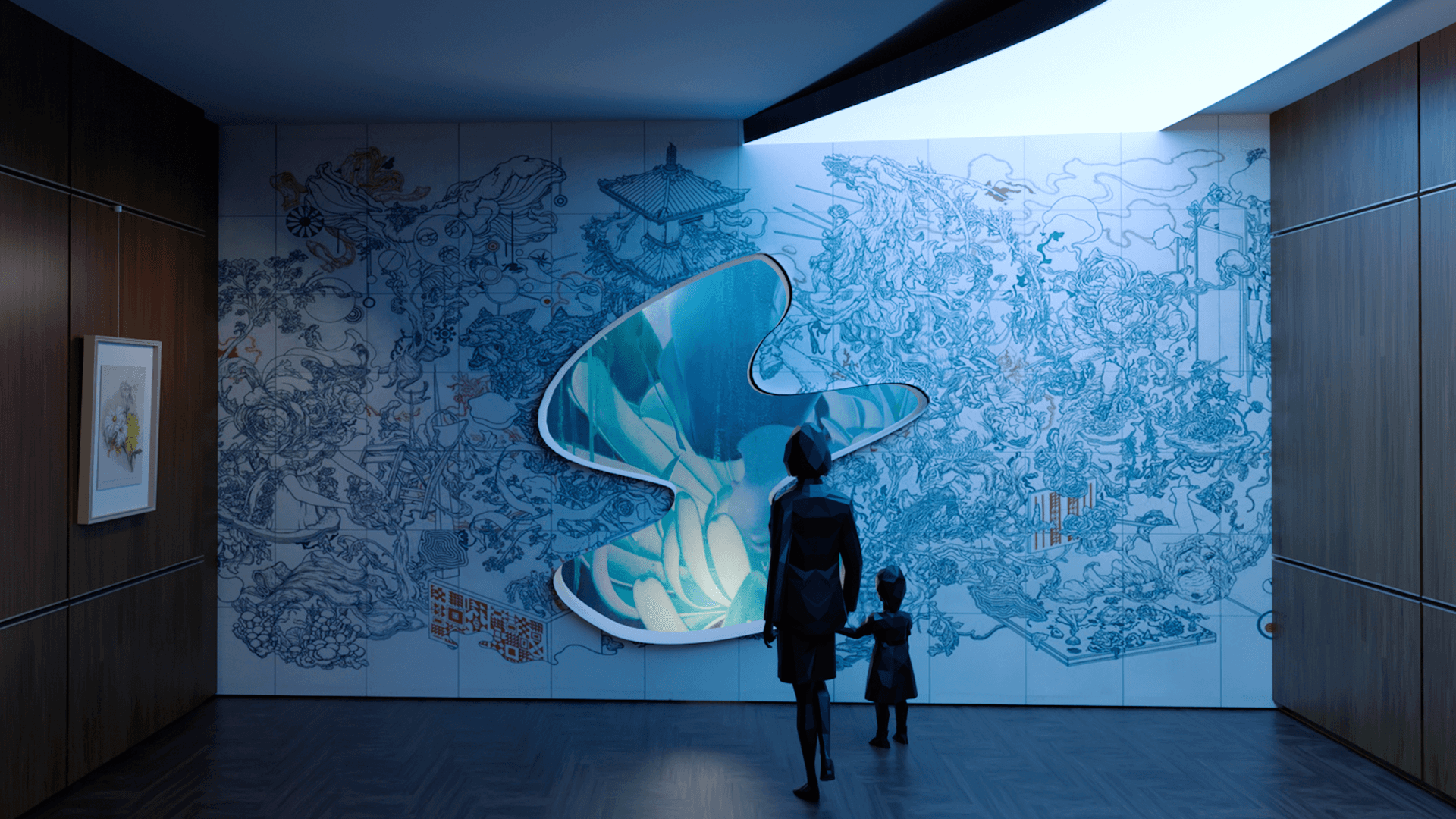
Return
As visitors turn back toward the exit, a final wall showcases James Jean’s sketchbooks—quick studies, watercolor notes, graphite experiments, and botanical observations that form the backbone of his larger works.
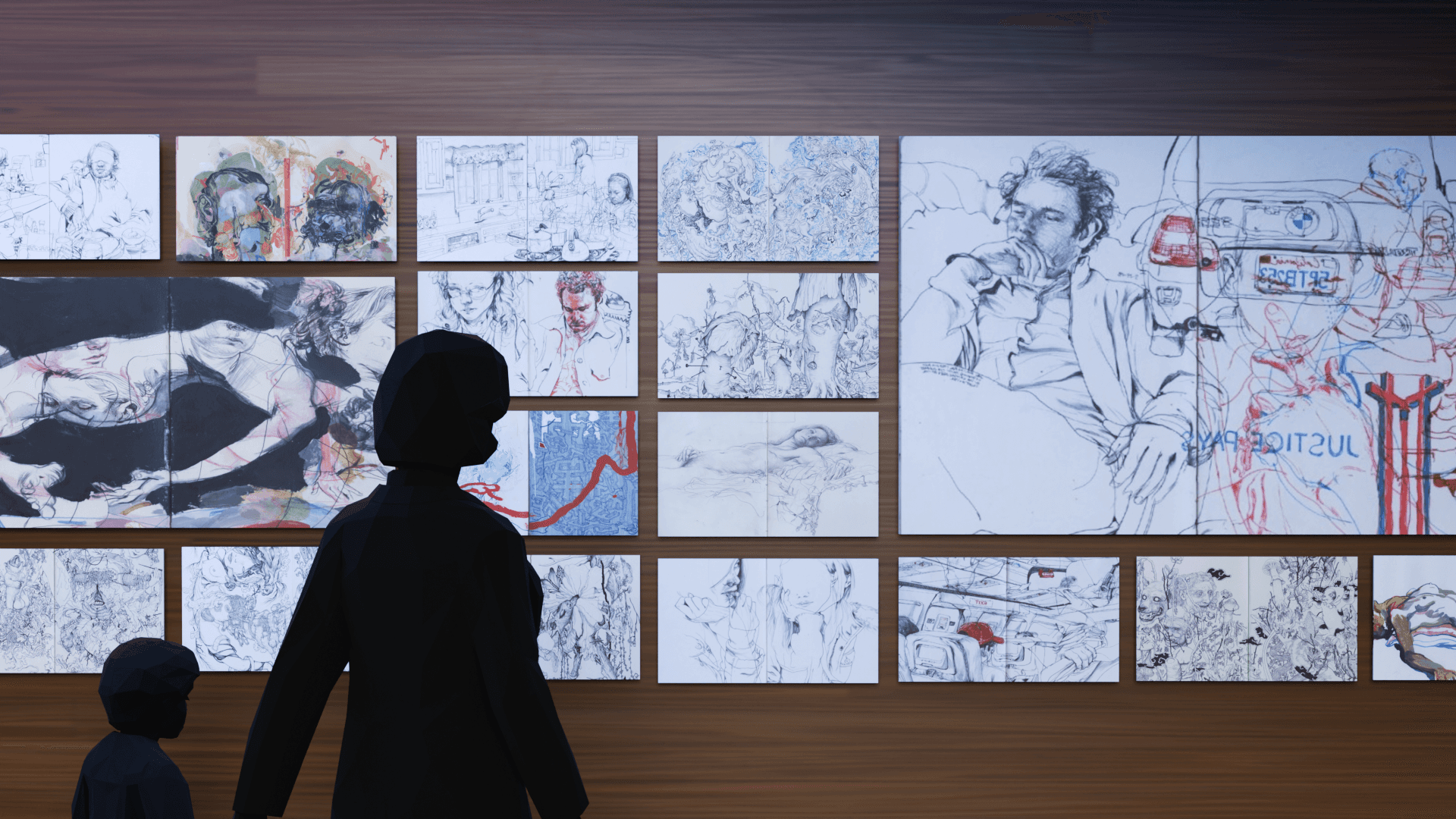
Journey
This exhibition is organized into four zones —Archival, Transition, Dream, and Return—that move visitors from observation to imagination and back again:
Archival Zone
Visitors begin their journey in a space with the Hunt Institute’s collection on walnut panels along the wall, highlighting the precision and discipline of botanical study.

A mixed reality experience then invites visitors to discover plant species that later appear in James Jean’s artworks—lotus, peonies, orchids, chrysanthemum—foreshadow the dialogue ahead.
Transition
Moving forward, visitors enter a space where they can interact with James Jean’s art projected across a curved surface, responding to gesture, proximity, and touch.

The structure itself guides the visitor forward: gradient light climbs upward, merging into the ceiling and illuminating the path toward the dream space.

Dream Sapce
Here, the space expands into a fully immersive environment shaped by James Jean’s visual language.

Return
As visitors turn back toward the exit, a final wall showcases James Jean’s sketchbooks—quick studies, watercolor notes, graphite experiments, and botanical observations that form the backbone of his larger works.

Journey
This exhibition is organized into four zones —Archival, Transition, Dream, and Return—that move visitors from observation to imagination and back again:
Archival Zone
Visitors begin their journey in a space with the Hunt Institute’s collection on walnut panels along the wall, highlighting the precision and discipline of botanical study.

A mixed reality experience then invites visitors to discover plant species that later appear in James Jean’s artworks—lotus, peonies, orchids, chrysanthemum—foreshadow the dialogue ahead.
Transition
Moving forward, visitors enter a space where they can interact with James Jean’s art projected across a curved surface, responding to gesture, proximity, and touch.

The structure itself guides the visitor forward: gradient light climbs upward, merging into the ceiling and illuminating the path toward the dream space.

Dream Sapce
Here, the space expands into a fully immersive environment shaped by James Jean’s visual language.

Return
As visitors turn back toward the exit, a final wall showcases James Jean’s sketchbooks—quick studies, watercolor notes, graphite experiments, and botanical observations that form the backbone of his larger works.

Process & Protoypes
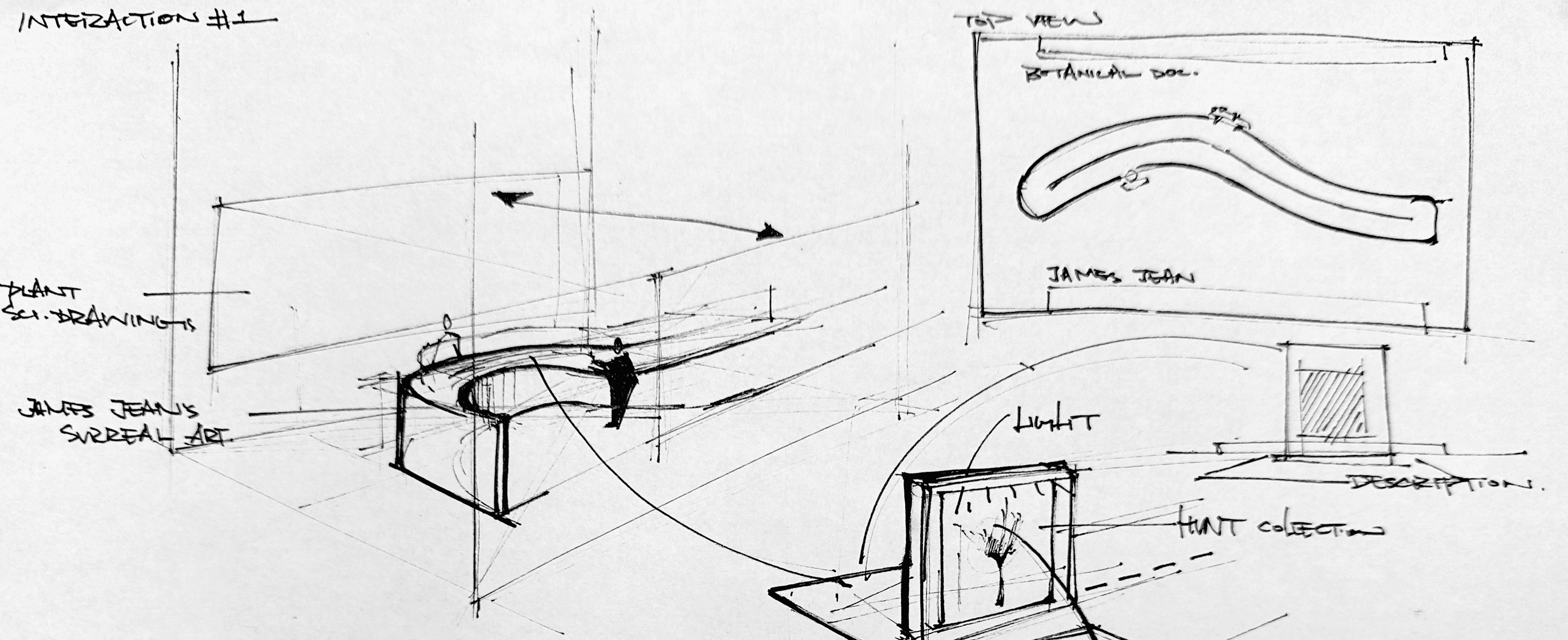
I began with sketches and low-fidelity mockups to explore how forms and scale could guide movement in space. These early experiments allowed me to test how visitors might physically approach, touch, and move through the space before introducing any digital elements.


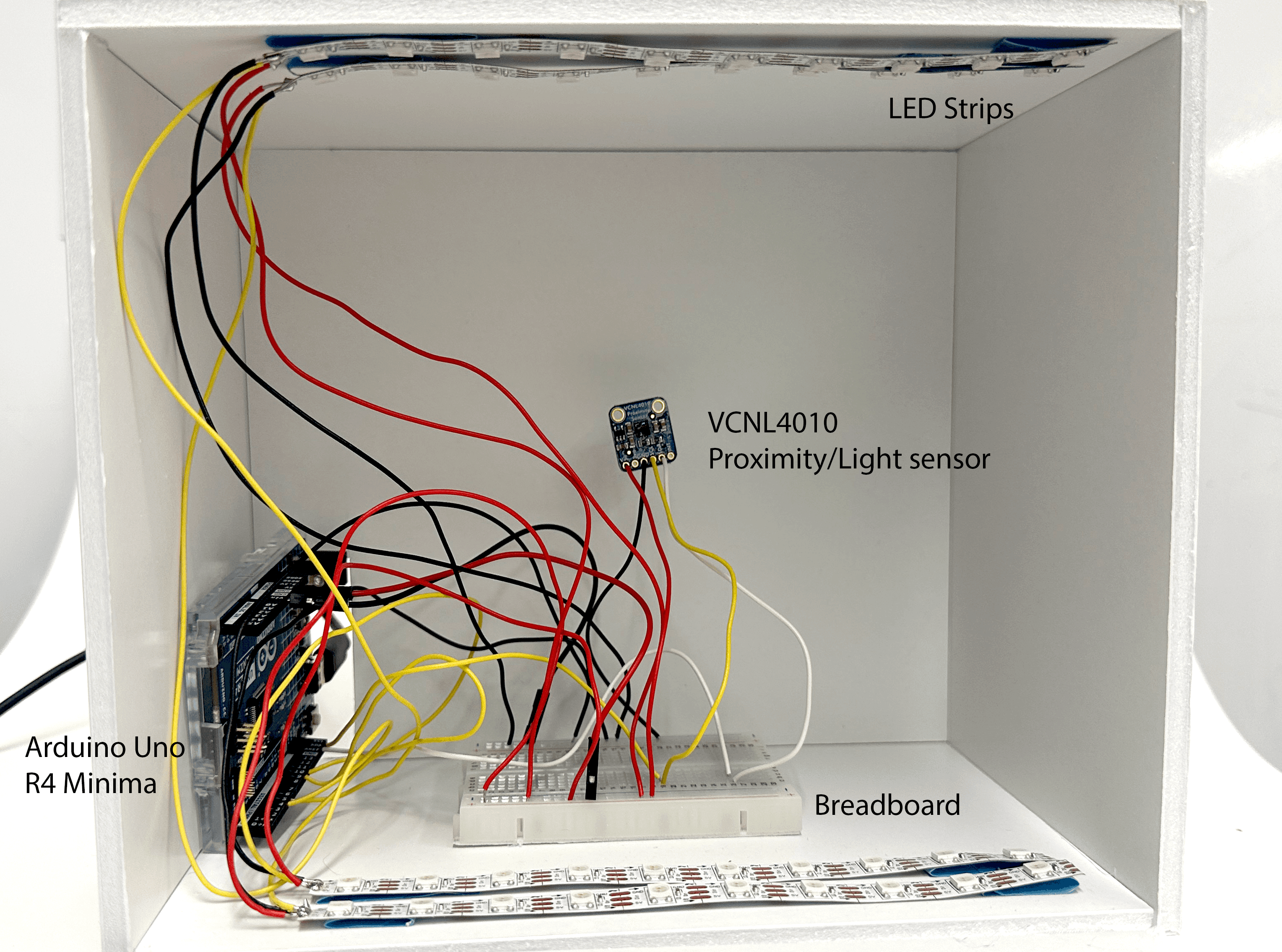
As the concept evolved, I built interactive prototypes Blender, Unity, sensors, and Arduino, to test how technology could add value into the experience.
Read more about my very lengthy design process here
Process & Protoypes
I began with sketches and low-fidelity mockups to explore how forms and scale could guide movement in space. These early experiments allowed me to test how visitors might physically approach, touch, and move through the space before introducing any digital elements.


As the concept evolved, I built interactive prototypes Blender, Unity, sensors, and Arduino, to test how technology could add value into the experience.
Read more about my very lengthy design process here
Process & Protoypes
I began with sketches and low-fidelity mockups to explore how forms and scale could guide movement in space. These early experiments allowed me to test how visitors might physically approach, touch, and move through the space before introducing any digital elements.


As the concept evolved, I built interactive prototypes Blender, Unity, sensors, and Arduino, to test how technology could add value into the experience.

Read more about my very lengthy design process here
Reflection
One of the biggest personal takeaways was learning to embrace ambiguity even when it raises existential questions sometimes :') Knowing that that effective storytelling in spatial design comes from aligning interaction and narrative, rather than relying on flashy technology, it took a long process of repeated testing and ideating to narrow down a design that feels meaningful.
Overall, this was a meaningful experience for me. It taught me how to design thoughtfully within constraints while still embracing the open-ended possibilities of creative technology.
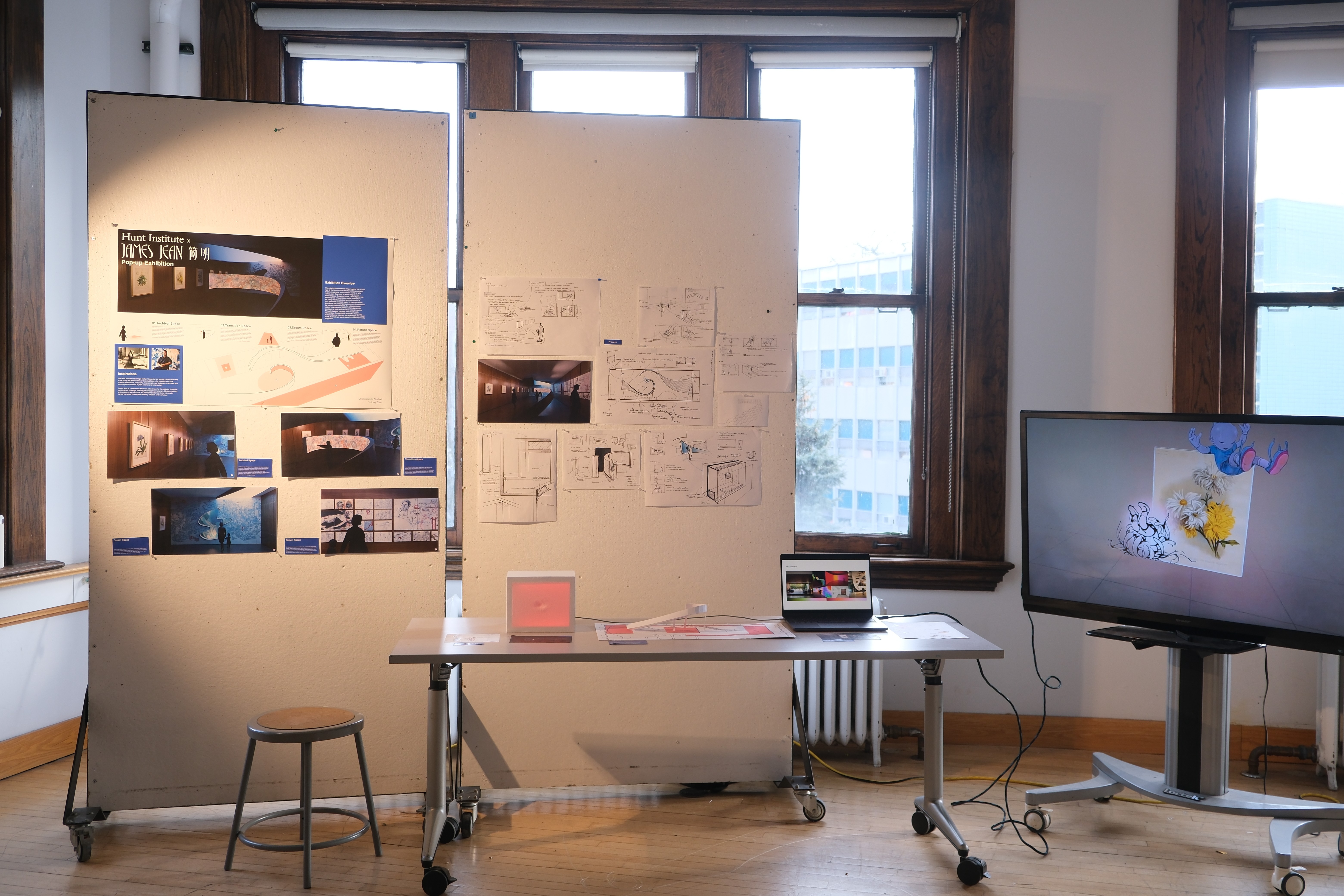
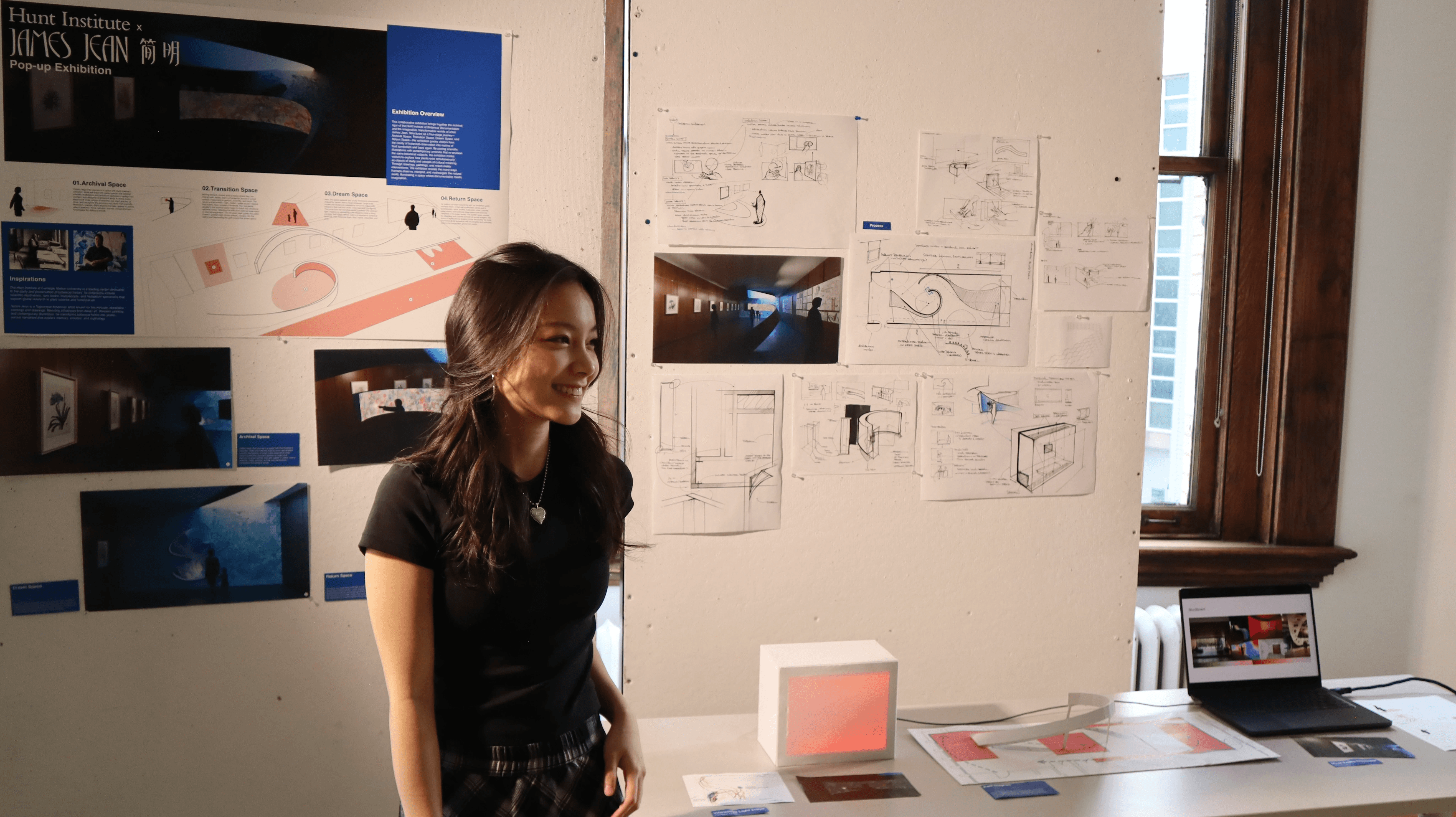
Thank you for tuning in and here are some pictures from my semester showcase hoorayyyy!!


Reflection
One of the biggest personal takeaways was learning to embrace ambiguity even when it raises existential questions sometimes :') Knowing that that effective storytelling in spatial design comes from aligning interaction and narrative, rather than relying on flashy technology, it took a long process of repeated testing and ideating to narrow down a design that feels meaningful.
Overall, this was a meaningful experience for me. It taught me how to design thoughtfully within constraints while still embracing the open-ended possibilities of creative technology.
Thank you for tuning in and here are some pictures from my semester showcase hoorayyyy!!


Reflection
One of the biggest personal takeaways was learning to embrace ambiguity even when it raises existential questions sometimes :') Knowing that that effective storytelling in spatial design comes from aligning interaction and narrative, rather than relying on flashy technology, it took a long process of repeated testing and ideating to narrow down a design that feels meaningful.
Overall, this was a meaningful experience for me. It taught me how to design thoughtfully within constraints while still embracing the open-ended possibilities of creative technology.
Thank you for tuning in and here are some pictures from my semester showcase hoorayyyy!!